Limited Early Adopters Program for high-risk industries now open Get Early Access →
EHS SYSTEM IN MINING INDUSTRY

Mining

Tailored for Surface, Underground, Coal, Metal/Non-Metal & Mineral Processing Operations
Audit Management LIVE CAPA Management LIVE Compliance Management LIVE Incident Management LIVE Inspection Management LIVE Job Safety Analysis LIVE Near-Miss Reporting LIVE Non-Compliance Reporting (NCR) LIVE Risk Management LIVE Root Cause Analysis LIVE Safety Observation Reporting LIVE Change Management SOON Checklists Management SOON Document Management SOON Event Tracking SOON HAZMAT Management SOON Hot Work Permit SOON Occupational Health SOON Operational Risk (ORM) SOON Permit to Work SOON Training & Competency SOON Waste Management SOON Audit Management LIVE CAPA Management LIVE Compliance Management LIVE Incident Management LIVE Inspection Management LIVE Job Safety Analysis LIVE Near-Miss Reporting LIVE Non-Compliance Reporting (NCR) LIVE Risk Management LIVE Root Cause Analysis LIVE Safety Observation Reporting LIVE Change Management SOON Checklists Management SOON Document Management SOON Event Tracking SOON HAZMAT Management SOON Hot Work Permit SOON Occupational Health SOON Operational Risk (ORM) SOON Permit to Work SOON Training & Competency SOON Waste Management SOON
INDUSTRY OVERVIEW

Understanding the Operational Environment of Mining

Mining is among the most fatality-intensive industries in the world. In the United States, mining is regulated not by OSHA but by the Mine Safety and Health Administration (MSHA) under the Federal Mine Safety and Health Act of 1977 — a distinct statutory and regulatory framework that many EHS professionals outside the industry do not fully appreciate. The consequence is that standard OSHA-centric EHS platforms, deployed without mining-specific configuration, create a false sense of compliance while leaving critical MSHA obligations unaddressed.


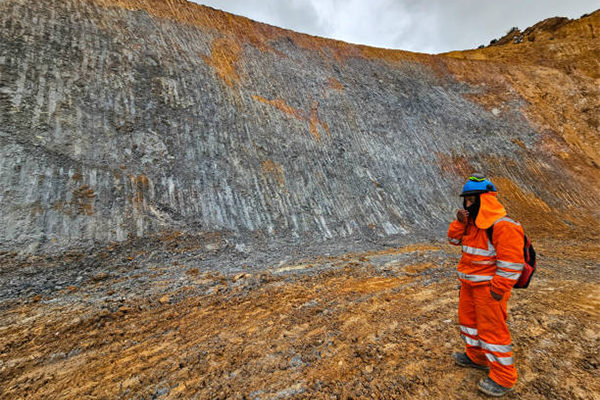
Mining operations face a convergence of catastrophic hazard scenarios that have no parallel in most industrial sectors: underground mine fires, roof falls and rib failures, explosions from methane and coal dust, tailings dam failures, large mobile equipment interactions, and deep open-pit slope instability. MSHA inspection frequency is mandatory and non-negotiable — metal/non-metal mines receive at least two inspections per year; underground coal mines receive at least four. In this environment, paper-based EHS management does not simply represent inefficiency — it represents an unacceptable risk to miner safety and a regulatory exposure that MSHA district offices are increasingly unwilling to overlook. 
Mining
DID YOU KNOW?
Many serious mining incidents are linked to failures in hazard identification, risk visibility, communication, and corrective action follow-through rather than a lack of procedures.
KEY TAKEAWAY
Visibility rarely becomes difficult overnight. It becomes difficult gradually. One site. One contractor. One spreadsheet. One inspection. One audit. One reporting requirement at a time. Until teams spend more time assembling information than acting on it. The problem is not Excel. The problem is maintaining visibility across increasingly complex mining operations.
OPERATIONS WE SUPPORT

Built For Real-World Operations

01

Surface Mining

Supporting operations where equipment, inspections, contractor activities, operational risk, and corrective actions require continuous visibility.

02

Underground Mining

Providing visibility across high-risk environments where workforce safety, inspections, compliance obligations, and operational controls are critical.

03

Coal Mining

Supporting operations where production, equipment reliability, contractor oversight, and risk management must remain aligned.

04

Metal Mining

Maintaining visibility across extraction activities, inspections, incidents, audits, and corrective actions.

05

Mineral Processing Facilities

Supporting environments where production, maintenance, safety, compliance, and operational performance operate together.

06

Contract Mining Operations

Providing visibility across contractor activities, inspections, observations, incidents, and compliance requirements.

07

Multi-Site Mining Operations

Helping organisations maintain consistency across sites, departments, contractors, audits, inspections, and reporting activities.

REGULATORY FRAMEWORKS

Standards & Regulations We Help You Comply With

30 CFR Part 50 — Accident / Injury / Illness Reporting
30 CFR Part 46 — New Miner / Experienced Miner Training (Surface Metal/NM)
30 CFR Part 48 — Training (Underground Metal/NM & Coal)
30 CFR Part 56 — Safety Standards (Surface Metal/Non-Metal)
30 CFR Part 57 — Safety Standards (Underground Metal/Non-Metal)
30 CFR Part 75 — Underground Coal Mine Safety
30 CFR Part 77 — Surface Coal Safety
30 CFR Part 47 — Hazard Communication (Mines)
30 CFR Part 71 — Dust Standards (Underground Coal)
30 CFR Part 72 — Black Lung Health Standards
Mine Act Section 103(j) — Emergency Notification
State Mining Regulations (e.g., Cal/OSHA, Nevada, Colorado, WV, PA)
30 CFR Part 50 — Accident / Injury / Illness Reporting
30 CFR Part 46 — New Miner / Experienced Miner Training (Surface Metal/NM)
30 CFR Part 48 — Training (Underground Metal/NM & Coal)
30 CFR Part 56 — Safety Standards (Surface Metal/Non-Metal)
30 CFR Part 57 — Safety Standards (Underground Metal/Non-Metal)
30 CFR Part 75 — Underground Coal Mine Safety
30 CFR Part 77 — Surface Coal Safety
30 CFR Part 47 — Hazard Communication (Mines)
30 CFR Part 71 — Dust Standards (Underground Coal)
30 CFR Part 72 — Black Lung Health Standards
Mine Act Section 103(j) — Emergency Notification
State Mining Regulations (e.g., Cal/OSHA, Nevada, Colorado, WV, PA)
Mine Act Section 103(j) — Emergency Notification
30 CFR Part 72 — Black Lung Health Standards
30 CFR Part 71 — Dust Standards (Underground Coal)
30 CFR Part 47 — Hazard Communication (Mines)
30 CFR Part 77 — Surface Coal Safety
30 CFR Part 75 — Underground Coal Mine Safety
30 CFR Part 57 — Safety Standards (Underground Metal/Non-Metal)
30 CFR Part 56 — Safety Standards (Surface Metal/Non-Metal)
30 CFR Part 48 — Training (Underground Metal/NM & Coal)
30 CFR Part 46 — New Miner / Experienced Miner Training (Surface Metal/NM)
30 CFR Part 50 — Accident / Injury / Illness Reporting
State Mining Regulations (e.g., Cal/OSHA, Nevada, Colorado, WV, PA)
Mine Act Section 103(j) — Emergency Notification
30 CFR Part 72 — Black Lung Health Standards
30 CFR Part 71 — Dust Standards (Underground Coal)
30 CFR Part 47 — Hazard Communication (Mines)
30 CFR Part 77 — Surface Coal Safety
30 CFR Part 75 — Underground Coal Mine Safety
30 CFR Part 57 — Safety Standards (Underground Metal/Non-Metal)
30 CFR Part 56 — Safety Standards (Surface Metal/Non-Metal)
30 CFR Part 48 — Training (Underground Metal/NM & Coal)
30 CFR Part 46 — New Miner / Experienced Miner Training (Surface Metal/NM)
30 CFR Part 50 — Accident / Injury / Illness Reporting

Ready to modernize your EHS operations?

Discover how SOAPBOX.CLOUD™ helps organizations simplify compliance, strengthen workplace safety, and digitize EHS operations with one intelligent platform.
Get in Touch →
Language