Limited Early Adopters Program for high-risk industries now open Get Early Access →
EHS SYSTEM IN LOGISTICS & WAREHOUSING INDUSTRY

Logistics & Warehousing

Tailored for Distribution Centres, 3PL, Freight, Cold Chain, Port & Rail Logistics Operations
Audit Management LIVE CAPA Management LIVE Compliance Management LIVE Incident Management LIVE Inspection Management LIVE Job Safety Analysis LIVE Near-Miss Reporting LIVE Non-Compliance Reporting (NCR) LIVE Risk Management LIVE Root Cause Analysis LIVE Safety Observation Reporting LIVE Change Management SOON Checklists Management SOON Document Management SOON Event Tracking SOON HAZMAT Management SOON Hot Work Permit SOON Occupational Health SOON Operational Risk (ORM) SOON Permit to Work SOON Training & Competency SOON Waste Management SOON Audit Management LIVE CAPA Management LIVE Compliance Management LIVE Incident Management LIVE Inspection Management LIVE Job Safety Analysis LIVE Near-Miss Reporting LIVE Non-Compliance Reporting (NCR) LIVE Risk Management LIVE Root Cause Analysis LIVE Safety Observation Reporting LIVE Change Management SOON Checklists Management SOON Document Management SOON Event Tracking SOON HAZMAT Management SOON Hot Work Permit SOON Occupational Health SOON Operational Risk (ORM) SOON Permit to Work SOON Training & Competency SOON Waste Management SOON
INDUSTRY OVERVIEW

Understanding the Operational Environment of Logistics & Warehousing

Logistics and warehousing is one of the fastest-growing sectors in the global economy — and one of the most consistently underinvested in EHS technology. Distribution centres handling millions of picks per year, fleets of powered industrial trucks operating 24 hours a day, and receiving docks processing hundreds of trailers per shift all represent high-frequency, high-consequence hazard environments. Yet the overwhelming majority of small and mid-size logistics operators still manage safety on paper inspection sheets, shared Excel logs, and supervisor memory.

The sector's EHS profile is dominated by a handful of persistent injury causes: forklift and powered industrial truck incidents (the leading cause of warehouse fatalities), musculoskeletal disorders from manual handling, falling objects from racking systems, dock-related incidents, and — increasingly — the new hazards introduced by automated storage and retrieval systems (ASRS), conveyor networks, and human-robot collaboration. At the same time, logistics operators handling hazardous materials face a distinct regulatory overlay under DOT 49 CFR, adding transport documentation, packaging, and emergency response planning to the EHS burden.
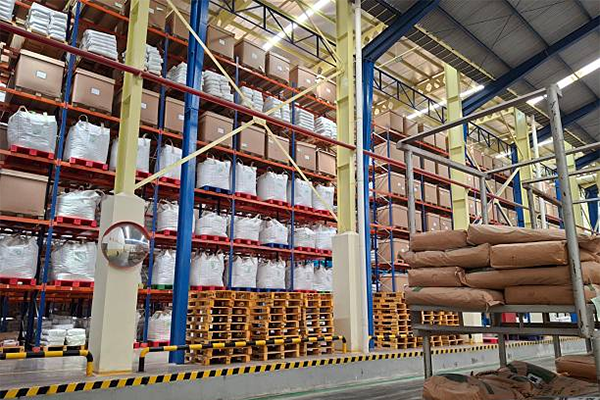
Logistics & Warehousing
DID YOU KNOW?
Vehicle movements, pedestrian interactions, loading operations, and material handling incidents remain among the leading causes of serious injuries across logistics and warehousing facilities worldwide. 
KEY TAKEAWAY
Warehouses move products efficiently because operations stay connected. Safety programmes should be no different. When inspections, vehicle checks, incidents, contractor activities, and training records are separated, operational blind spots grow faster than the business itself.
OPERATIONS WE SUPPORT

Built For Real-World Operations

01

Warehousing & Distribution Centre (DC)

Pick-pack-ship, bulk storage, cross-dock, e-commerce fulfilment — single-temp ambient

02

3PL / Contract Logistics

Multi-client shared facilities; value-added services; returns processing; sub-contracted transport

03

Freight & Linehaul Transport

Long-haul truck (OTR), regional distribution, parcel linehaul, LTL/FTL operations

04

Last-Mile Delivery

Parcel delivery, grocery delivery, courier services — van / small vehicle fleet

05

Cold Chain / Refrigerated

Chilled and frozen distribution, pharma cold chain, meat and seafood logistics

06

Port & Intermodal Logistics

Port terminal, container handling, ship-to-shore crane, straddle carrier, bulk cargo handling, ro-ro

07

Rail Logistics & Intermodal Yards

Intermodal rail yard, bulk rail loading/unloading, transloading facilities, rail car spotting

08

Fulfilment / E-Commerce

High-velocity pick operations, conveyor-intensive facilities, robotic fulfilment (ASRS, AMR, cobots)

REGULATORY FRAMEWORKS

Standards & Regulations We Help You Comply With

OSHA 29 CFR 1910.178 — Powered Industrial Trucks (Forklifts)
OSHA 29 CFR 1910.147 — LOTO (Control of Hazardous Energy)
OSHA 29 CFR 1910.36 / 1910.37 — Emergency Action Plan / Exit Routes
OSHA 29 CFR 1910.138 — Personal Protective Equipment (PPE)
OSHA 29 CFR 1910.303–308 — Electrical Safety
OSHA 29 CFR 1910.1200 — HazCom / GHS
OSHA 29 CFR 1910.269 / NFPA 70E — Electrical (where applicable)
OSHA 29 CFR 1910.212 — Machine Guarding
OSHA 29 CFR 1910.146 — Permit-Required Confined Spaces
DOT 49 CFR Parts 171–180 — Hazardous Materials Transport
DOT FMCSA 49 CFR Part 395 — Hours of Service (HOS)
OSHA 29 CFR 1910.119 — PSM (cold stores with NH3 > 10,000 lbs)
EPA 40 CFR Part 68 — RMP (NH3 systems)
ANSI MH16.1 — Specification for the Design, Testing and Utilization of Industrial Steel Storage Racks
OSHA 29 CFR 1910.178 — Powered Industrial Trucks (Forklifts)
OSHA 29 CFR 1910.147 — LOTO (Control of Hazardous Energy)
OSHA 29 CFR 1910.36 / 1910.37 — Emergency Action Plan / Exit Routes
OSHA 29 CFR 1910.138 — Personal Protective Equipment (PPE)
OSHA 29 CFR 1910.303–308 — Electrical Safety
OSHA 29 CFR 1910.1200 — HazCom / GHS
OSHA 29 CFR 1910.269 / NFPA 70E — Electrical (where applicable)
OSHA 29 CFR 1910.212 — Machine Guarding
OSHA 29 CFR 1910.146 — Permit-Required Confined Spaces
DOT 49 CFR Parts 171–180 — Hazardous Materials Transport
DOT FMCSA 49 CFR Part 395 — Hours of Service (HOS)
OSHA 29 CFR 1910.119 — PSM (cold stores with NH3 > 10,000 lbs)
EPA 40 CFR Part 68 — RMP (NH3 systems)
ANSI MH16.1 — Specification for the Design, Testing and Utilization of Industrial Steel Storage Racks
EPA 40 CFR Part 68 — RMP (NH3 systems)
OSHA 29 CFR 1910.119 — PSM (cold stores with NH3 > 10,000 lbs)
DOT FMCSA 49 CFR Part 395 — Hours of Service (HOS)
DOT 49 CFR Parts 171–180 — Hazardous Materials Transport
OSHA 29 CFR 1910.146 — Permit-Required Confined Spaces
OSHA 29 CFR 1910.212 — Machine Guarding
OSHA 29 CFR 1910.269 / NFPA 70E — Electrical (where applicable)
OSHA 29 CFR 1910.1200 — HazCom / GHS
OSHA 29 CFR 1910.303–308 — Electrical Safety
OSHA 29 CFR 1910.138 — Personal Protective Equipment (PPE)
OSHA 29 CFR 1910.36 / 1910.37 — Emergency Action Plan / Exit Routes
OSHA 29 CFR 1910.147 — LOTO (Control of Hazardous Energy)
OSHA 29 CFR 1910.178 — Powered Industrial Trucks (Forklifts)
ANSI MH16.1 — Specification for the Design, Testing and Utilization of Industrial Steel Storage Racks
EPA 40 CFR Part 68 — RMP (NH3 systems)
OSHA 29 CFR 1910.119 — PSM (cold stores with NH3 > 10,000 lbs)
DOT FMCSA 49 CFR Part 395 — Hours of Service (HOS)
DOT 49 CFR Parts 171–180 — Hazardous Materials Transport
OSHA 29 CFR 1910.146 — Permit-Required Confined Spaces
OSHA 29 CFR 1910.212 — Machine Guarding
OSHA 29 CFR 1910.269 / NFPA 70E — Electrical (where applicable)
OSHA 29 CFR 1910.1200 — HazCom / GHS
OSHA 29 CFR 1910.303–308 — Electrical Safety
OSHA 29 CFR 1910.138 — Personal Protective Equipment (PPE)
OSHA 29 CFR 1910.36 / 1910.37 — Emergency Action Plan / Exit Routes
OSHA 29 CFR 1910.147 — LOTO (Control of Hazardous Energy)
OSHA 29 CFR 1910.178 — Powered Industrial Trucks (Forklifts)

Ready to modernize your EHS operations?

Discover how SOAPBOX.CLOUD™ helps organizations simplify compliance, strengthen workplace safety, and digitize EHS operations with one intelligent platform.
Get in Touch →
Language