Limited Early Adopters Program for high-risk industries now open Get Early Access →
EHS SYSTEM IN CONSTRUCTION INDUSTRY

Construction

Construction Sites Change Every Day. Visibility Shouldn't.
Audit Management LIVE CAPA Management LIVE Compliance Management LIVE Incident Management LIVE Inspection Management LIVE Job Safety Analysis LIVE Near-Miss Reporting LIVE Non-Compliance Reporting (NCR) LIVE Risk Management LIVE Root Cause Analysis LIVE Safety Observation Reporting LIVE Change Management SOON Checklists Management SOON Document Management SOON Event Tracking SOON HAZMAT Management SOON Hot Work Permit SOON Occupational Health SOON Operational Risk (ORM) SOON Permit to Work SOON Training & Competency SOON Waste Management SOON Audit Management LIVE CAPA Management LIVE Compliance Management LIVE Incident Management LIVE Inspection Management LIVE Job Safety Analysis LIVE Near-Miss Reporting LIVE Non-Compliance Reporting (NCR) LIVE Risk Management LIVE Root Cause Analysis LIVE Safety Observation Reporting LIVE Change Management SOON Checklists Management SOON Document Management SOON Event Tracking SOON HAZMAT Management SOON Hot Work Permit SOON Occupational Health SOON Operational Risk (ORM) SOON Permit to Work SOON Training & Competency SOON Waste Management SOON
INDUSTRY OVERVIEW

Understanding the Operational Environment of Construction

Very few construction organisations begin with a fully connected EHS system. Most begin with practical tools that solve immediate project requirements: a site inspection tracker, a toolbox talk register, a contractor register, a permit tracker, an incident log, a CAPA register,

Most of them built in Excel. And for a period of time, those tools work extremely well. Teams know where information is stored. Contractor records can be maintained. Inspections can be completed. Permits can be tracked. Actions can be assigned. Reports can be generated. Compliance requirements can be documented.
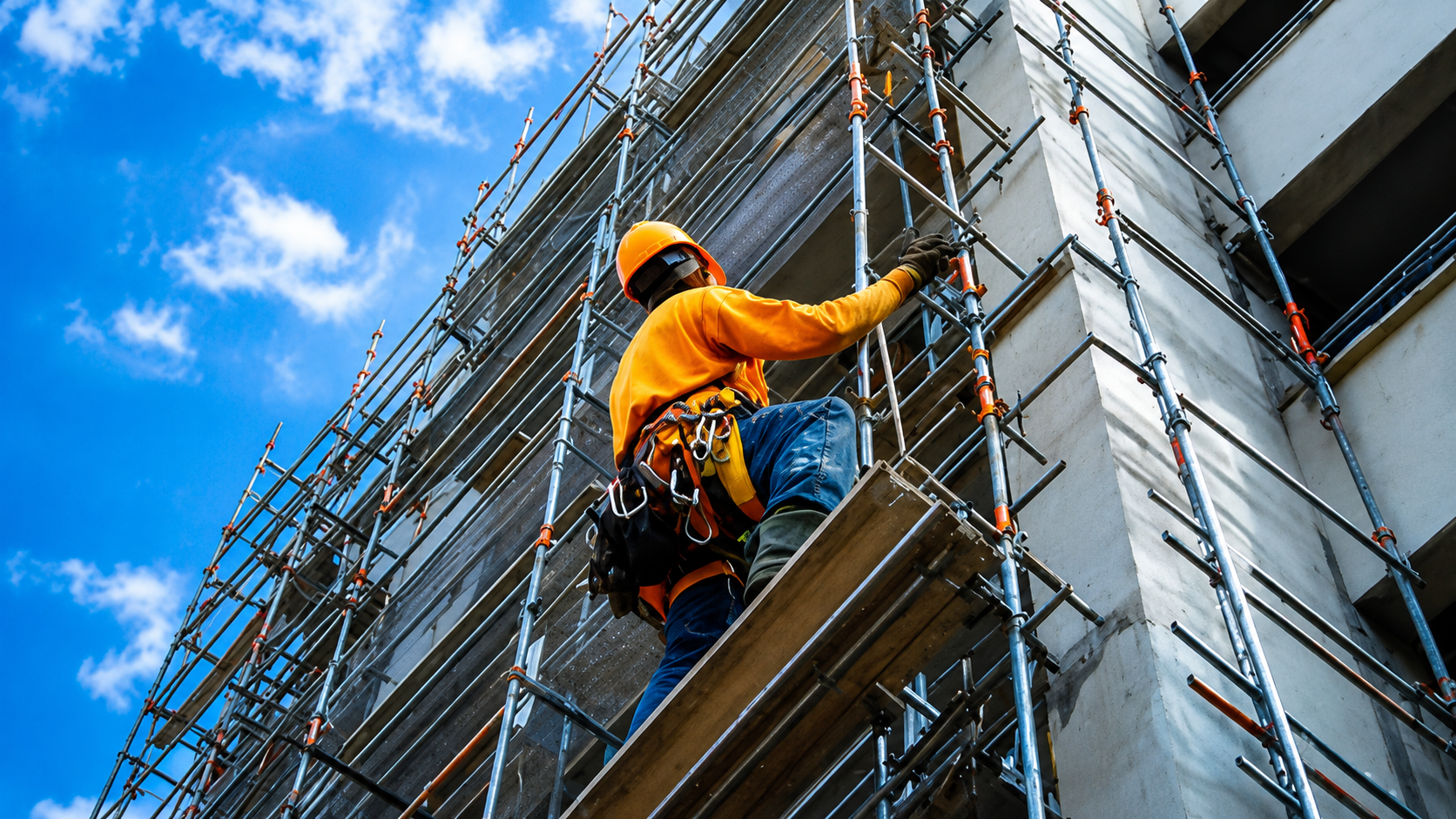
Construction
DID YOU KNOW?
Falls, struck-by incidents, caught-in/between hazards, and electrical incidents continue to be among the most common causes of serious injuries and fatalities across construction projects worldwide.
KEY TAKEAWAY
Construction projects rarely struggle because information doesn't exist. They struggle because information becomes fragmented across projects, contractors, teams, spreadsheets, and communication channels. The challenge is not data collection. The challenge is maintaining visibility across constantly changing operations
OPERATIONS WE SUPPORT

Built For Real-World Operations

01

Commercial Building

Office towers, retail, hotels, data centres — new build and fit-out

02

Industrial Construction

Plant, refinery, power station construction and turnaround / outage work

03

Civil & Infrastructure

Roads, bridges, tunnels, airports, rail, ports, utilities

04

Residential — Multi-Family

Apartment blocks, condominiums, mixed-use (5+ storeys)

05

Heavy Civil & Earthworks

Dams, levees, large excavations, land remediation, mining construction

06

Demolition

Structural demolition, selective strip-out, asbestos/lead abatement

07

Specialty Trades — MEP

Mechanical, electrical, plumbing — often as subcontractors

08

Offshore / Marine Construction

Jetties, offshore platforms, subsea pipelines, dredging

REGULATORY FRAMEWORKS

Standards & Regulations We Help You Comply With

OSHA 29 CFR 1926 — Construction Safety
OSHA 1926.503 — Fall Protection Training
OSHA 1926 Subpart CC — Cranes & Derricks
OSHA 1926 Subpart L — Scaffolding
OSHA 1926 Subpart P — Excavations
OSHA 1926.62 — Lead in Construction
OSHA 1926.1153 — Silica in Construction
OSHA 1926.1101 — Asbestos in Construction
EPA NESHAP (40 CFR Part 61 Subpart M)
OSHA Multi-Employer Citation Policy (STD 02-00-124)
ANSI/ASSP A10 Series — Construction Safety
NFPA 70E — Electrical Safety (MEP Trades)
OSHA 29 CFR 1926 — Construction Safety
OSHA 1926.503 — Fall Protection Training
OSHA 1926 Subpart CC — Cranes & Derricks
OSHA 1926 Subpart L — Scaffolding
OSHA 1926 Subpart P — Excavations
OSHA 1926.62 — Lead in Construction
OSHA 1926.1153 — Silica in Construction
OSHA 1926.1101 — Asbestos in Construction
EPA NESHAP (40 CFR Part 61 Subpart M)
OSHA Multi-Employer Citation Policy (STD 02-00-124)
ANSI/ASSP A10 Series — Construction Safety
NFPA 70E — Electrical Safety (MEP Trades)
ANSI/ASSP A10 Series — Construction Safety
OSHA Multi-Employer Citation Policy (STD 02-00-124)
EPA NESHAP (40 CFR Part 61 Subpart M)
OSHA 1926.1101 — Asbestos in Construction
OSHA 1926.1153 — Silica in Construction
OSHA 1926.62 — Lead in Construction
OSHA 1926 Subpart P — Excavations
OSHA 1926 Subpart L — Scaffolding
OSHA 1926 Subpart CC — Cranes & Derricks
OSHA 1926.503 — Fall Protection Training
OSHA 29 CFR 1926 — Construction Safety
NFPA 70E — Electrical Safety (MEP Trades)
ANSI/ASSP A10 Series — Construction Safety
OSHA Multi-Employer Citation Policy (STD 02-00-124)
EPA NESHAP (40 CFR Part 61 Subpart M)
OSHA 1926.1101 — Asbestos in Construction
OSHA 1926.1153 — Silica in Construction
OSHA 1926.62 — Lead in Construction
OSHA 1926 Subpart P — Excavations
OSHA 1926 Subpart L — Scaffolding
OSHA 1926 Subpart CC — Cranes & Derricks
OSHA 1926.503 — Fall Protection Training
OSHA 29 CFR 1926 — Construction Safety

Ready to modernize your EHS operations?

Discover how SOAPBOX.CLOUD™ helps organizations simplify compliance, strengthen workplace safety, and digitize EHS operations with one intelligent platform.
Get in Touch →
Language